
Mahashivratri Mela
- Junagadh
- 11th February 2026 to 15th February 2026
At a glance
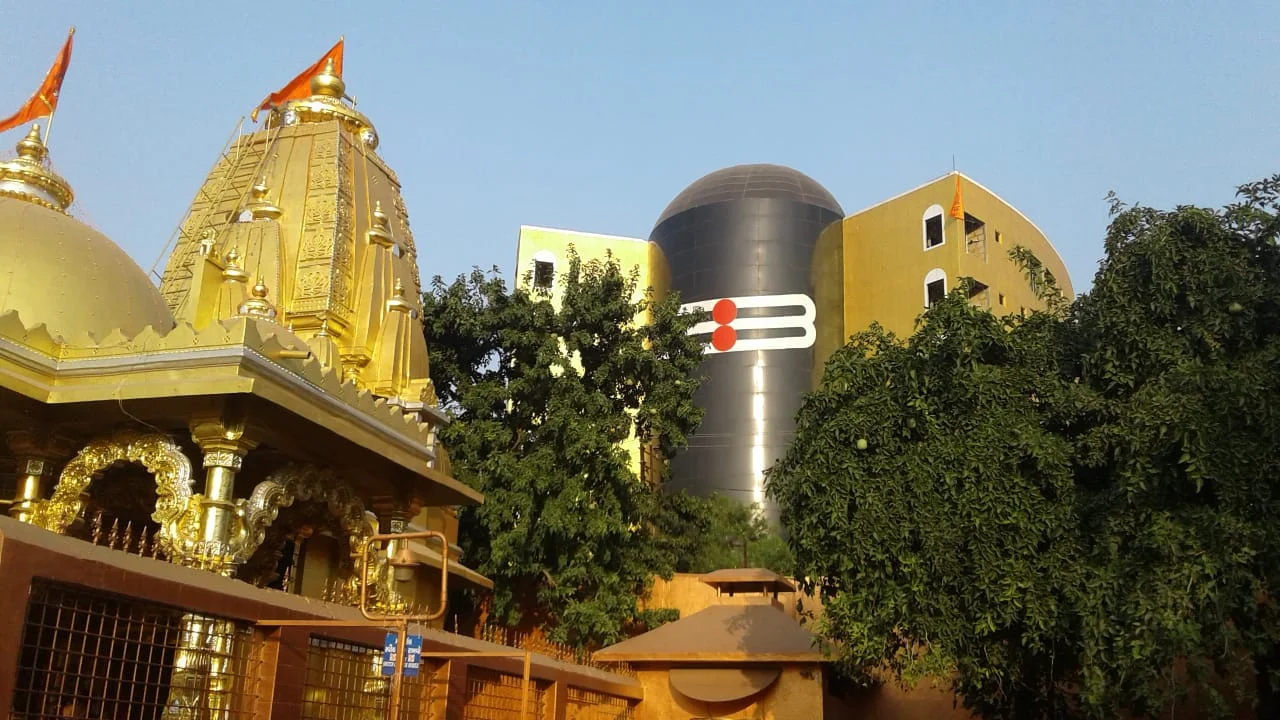
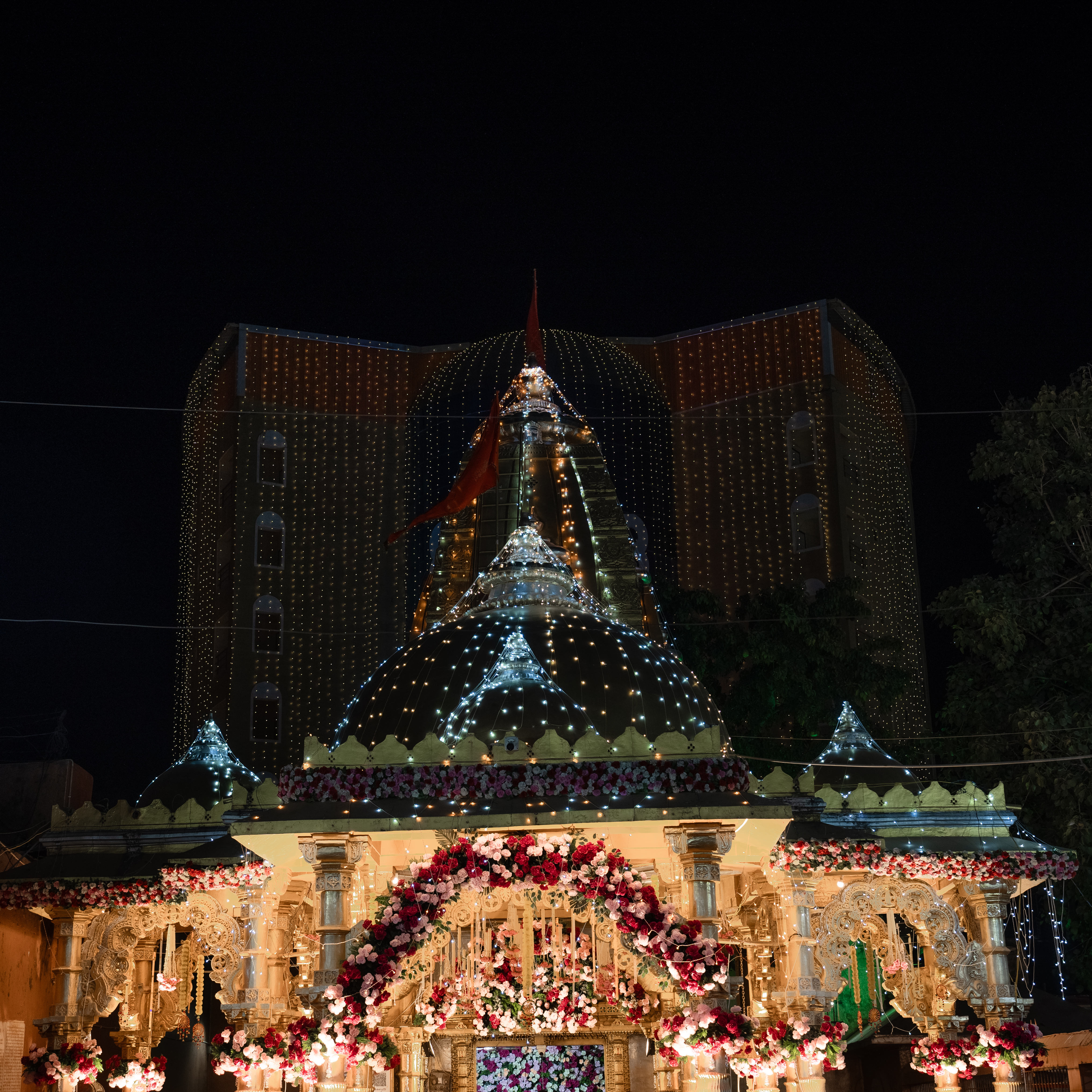
The Mahashivratri Mela, also known as the Girnar Maha Shivratri Mela, is one of Gujarat’s most ancient and spiritually significant fairs celebrated in honor of Lord Shiva. It takes place at the Bhavnath Mahadev Temple, located at the foothills of Mount Girnar near Junagadh on the banks of the Suvarnarekha River.
The fair is organized every year during Maha Shivratri, usually falling in the months of February or March, and continues for about five days. During this period, thousands of pilgrims, saints, and tourists from across the country gather to participate in rituals and celebrations dedicated to Lord Shiva. The highlight of the fair is the belief that Lord Shiva himself visits the Bhavnath temple on the auspicious night of Maha Shivratri, making the occasion extremely sacred for devotees.
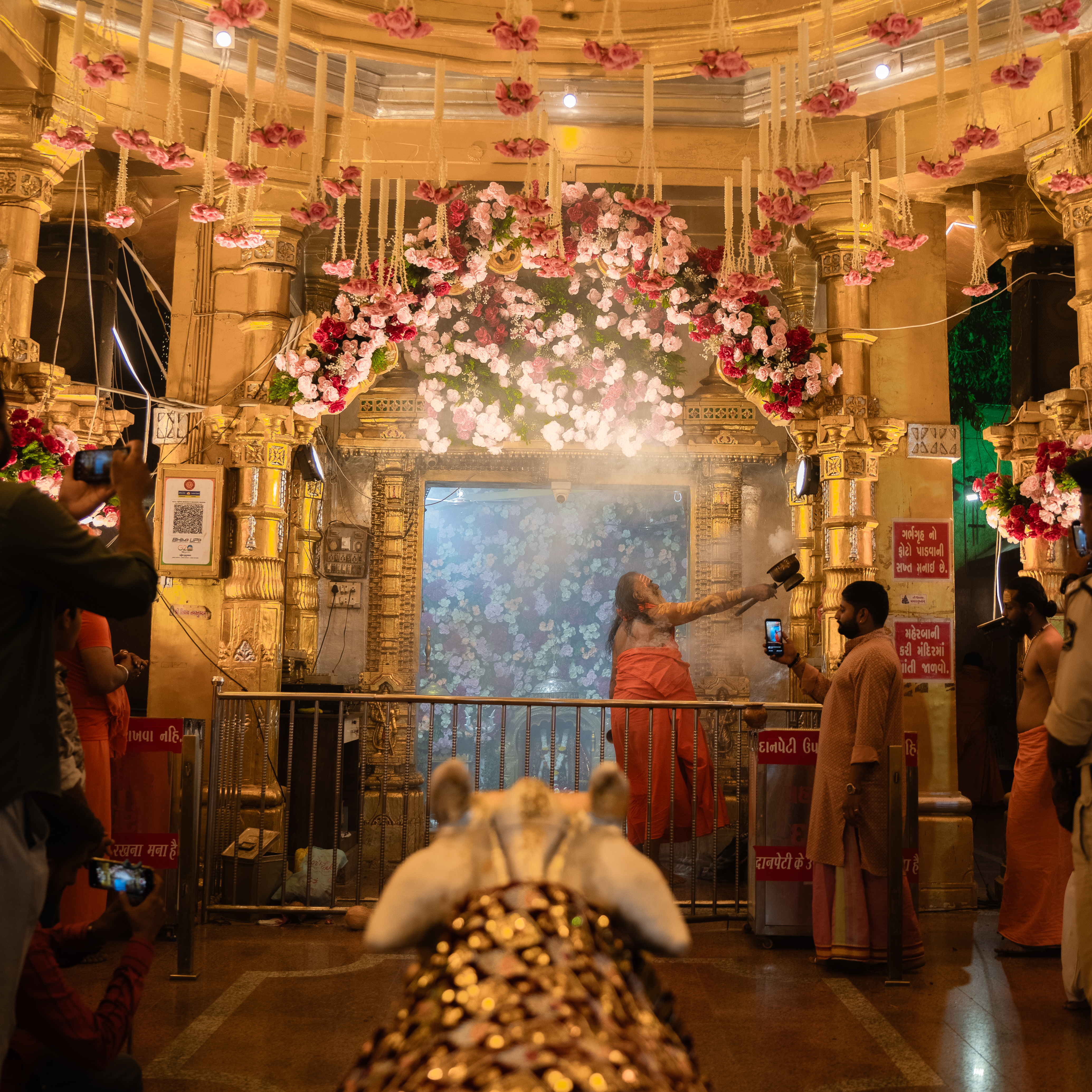
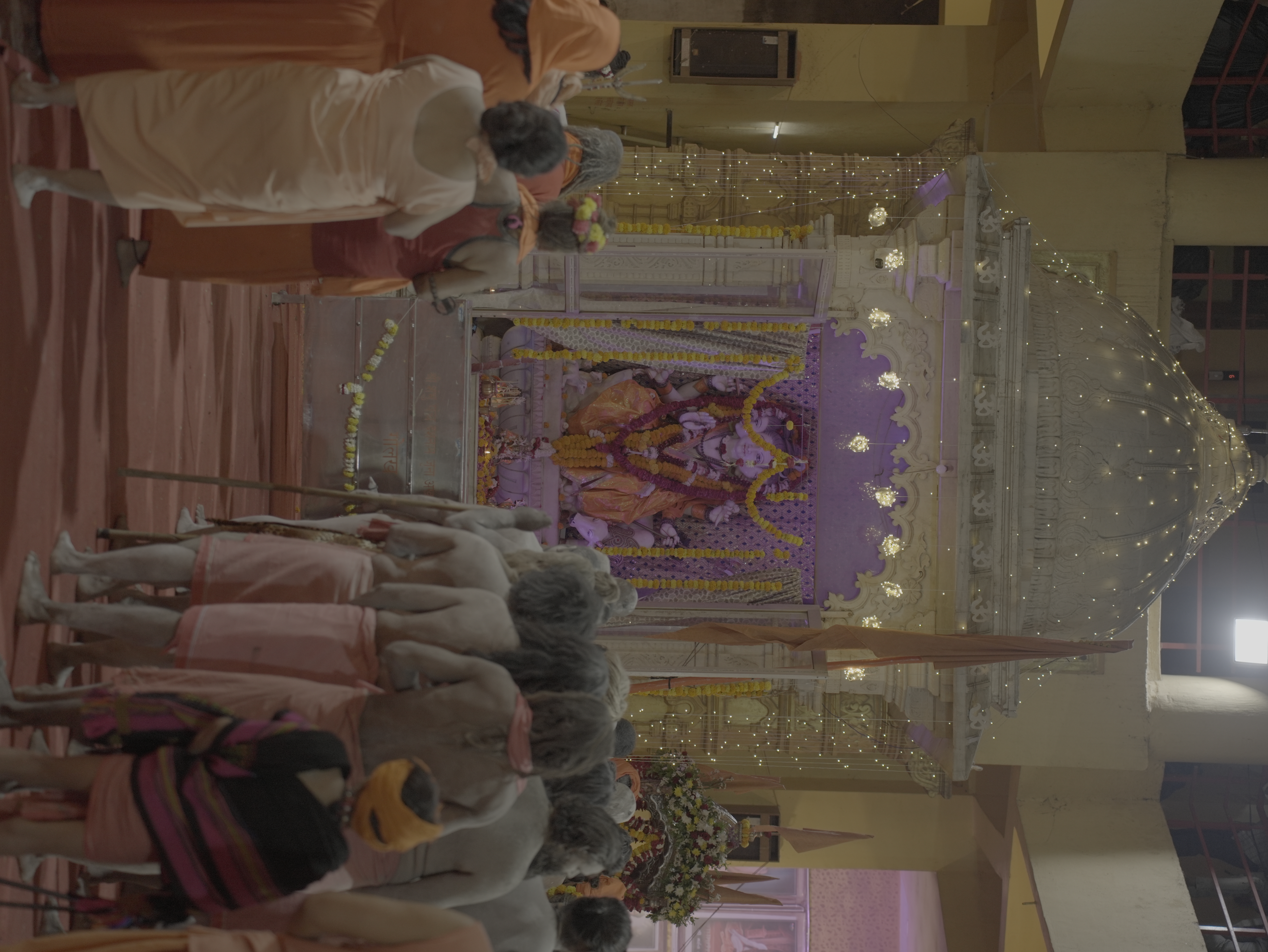
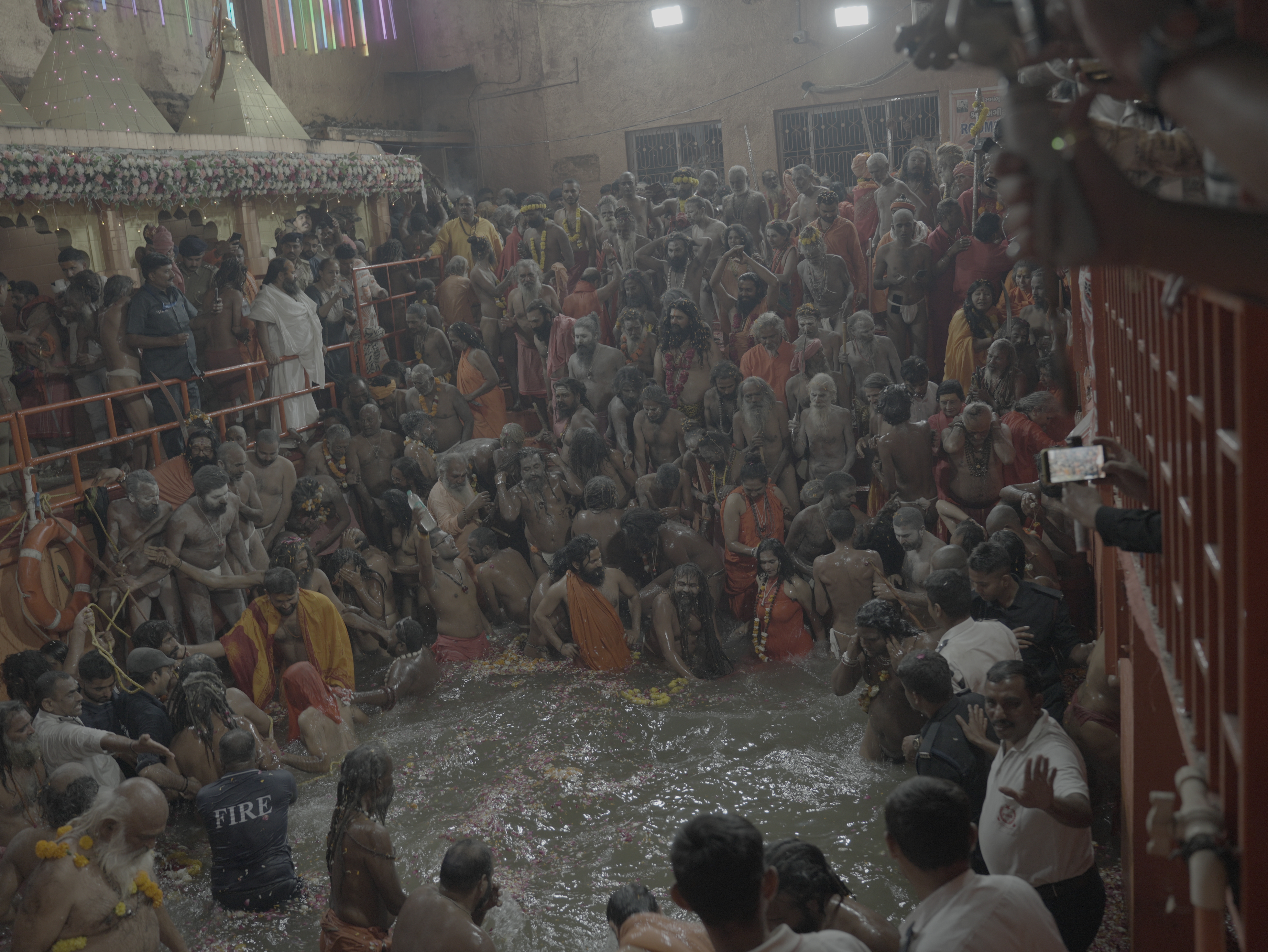
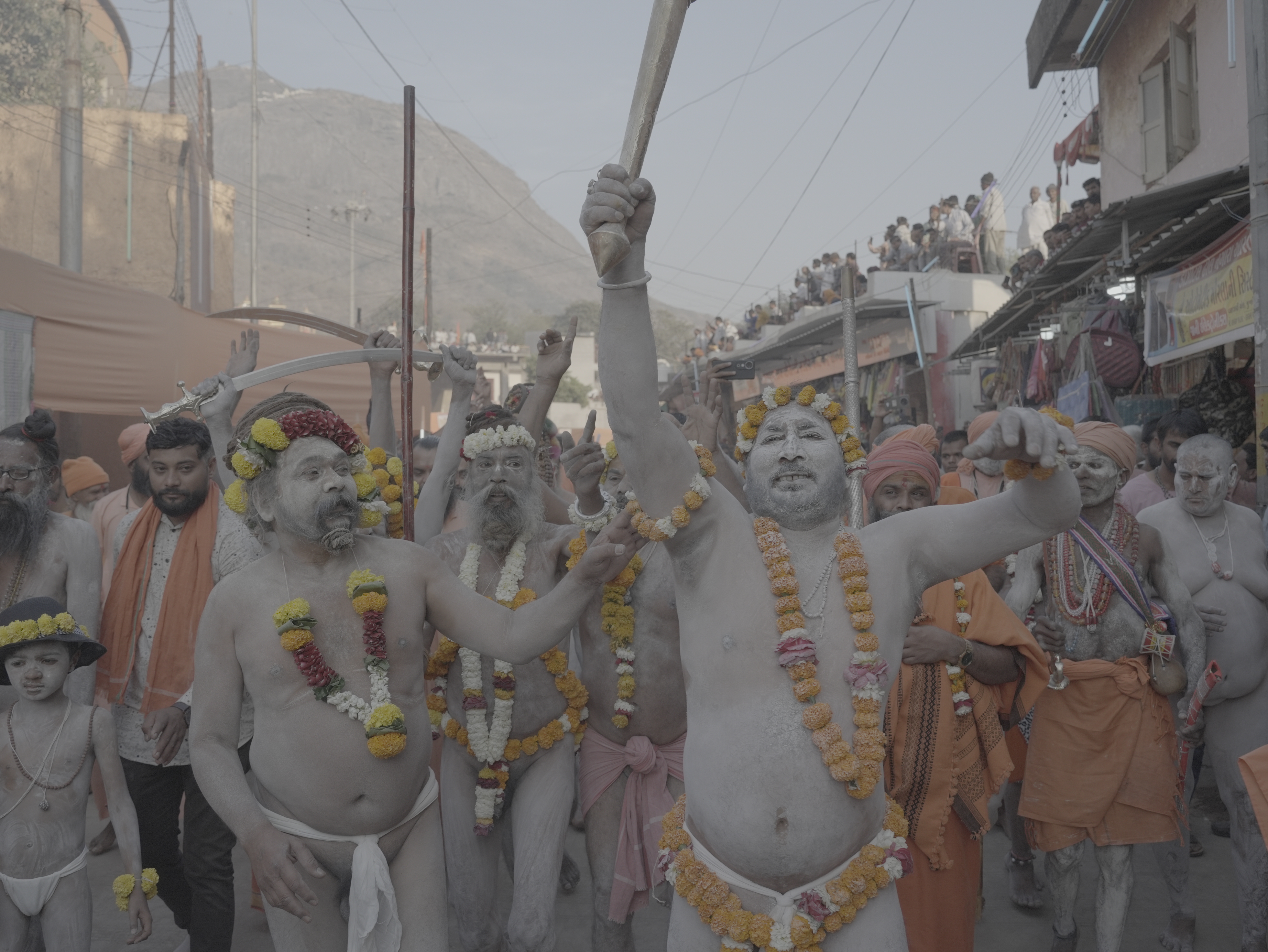
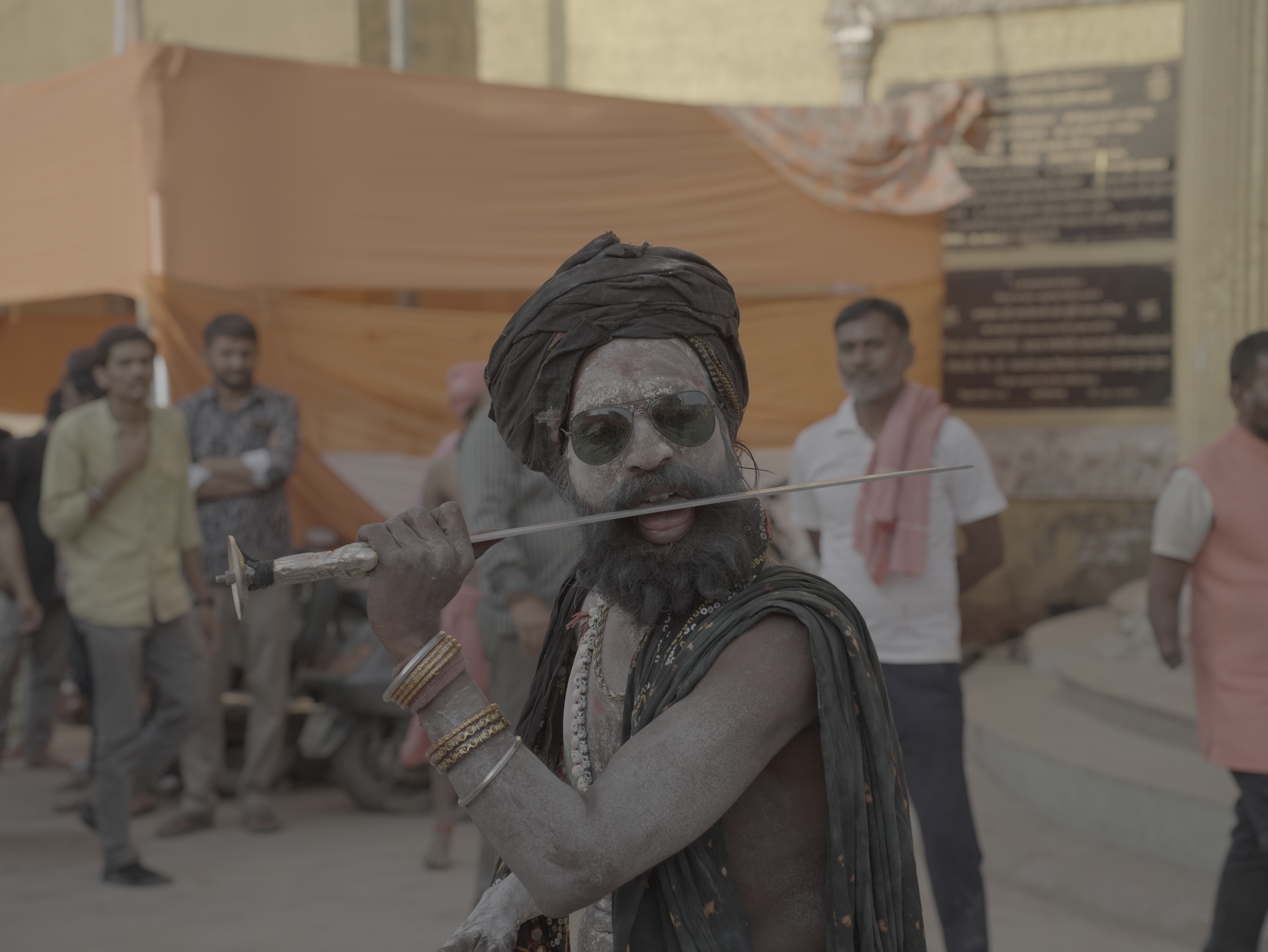
One of the most distinctive features of the Mahashivratri Mela is the presence of Naga Sadhus, who arrive in grand processions, often riding elephants, blowing conch shells, and chanting hymns. These ascetics perform ritual baths at Mrigi Kund before proceeding to the temple for worship. Devotees also take holy dips and offer prayers, believing it brings spiritual purification and blessings. The midnight Mahapuja performed on the night of Maha Shivratri is considered the most important ritual of the fair.
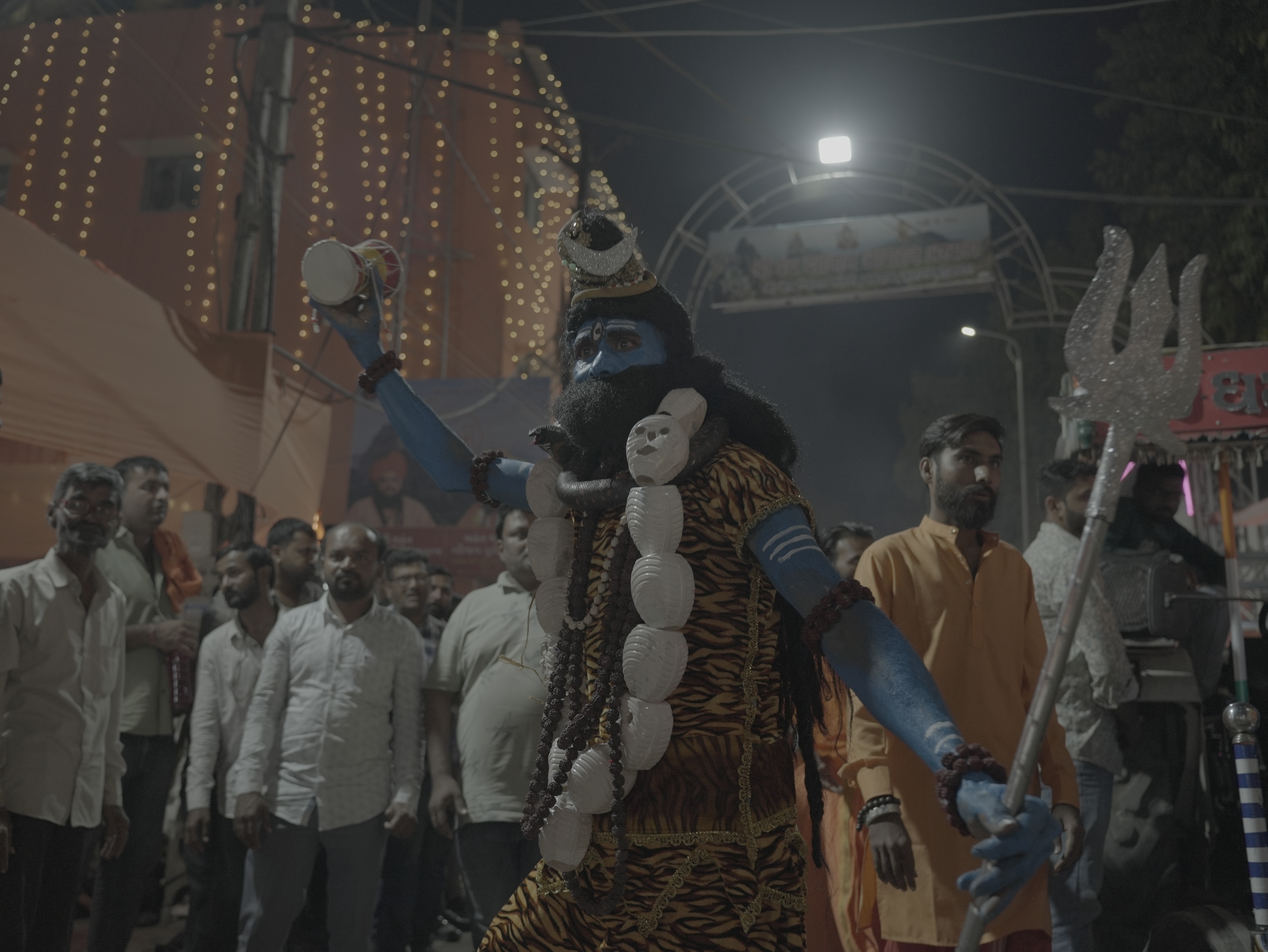
Along with religious observances, the Mahashivratri Mela also reflects the rich cultural heritage of Gujarat. The fairgrounds come alive with devotional music, bhajans, folk performances, and traditional festivities. Temporary stalls selling religious items, local handicrafts, and food are set up for visitors, while community kitchens (annakshetras) and basic accommodation facilities are arranged for pilgrims. The Maha Shivratri Mela thus beautifully blends spirituality, tradition, and cultural vibrancy, offering visitors a profound and memorable experience rooted in Gujarat’s ancient heritage.
Click here for the Teaser of Mahashivratri Mela 2026
When
The Maha Shivratri Mela is held annually during Maha Shivratri in the Hindu month of Magha (Magha Vad), usually falling in February–March in the Gregorian calendar. In 2026, the fair will be held from 11th to 15th February, spanning about five days, beginning a few days before Maha Shivratri and culminating on the sacred night of Shivratri itself.
Where
The Maha Shivratri Mela is held at the sacred Bhavnath Mahadev Temple, located near Damodar Kund at Girnar Taleti, approximately 8 km from Junagadh. Nestled at the foothills of the majestic Girnar Mountain, the fair takes place in a serene natural setting that adds to its deep religious and cultural importance. The surroundings, rich in history, make Bhavnath a revered pilgrimage destination for devotees of Lord Shiva.
Interesting Facts
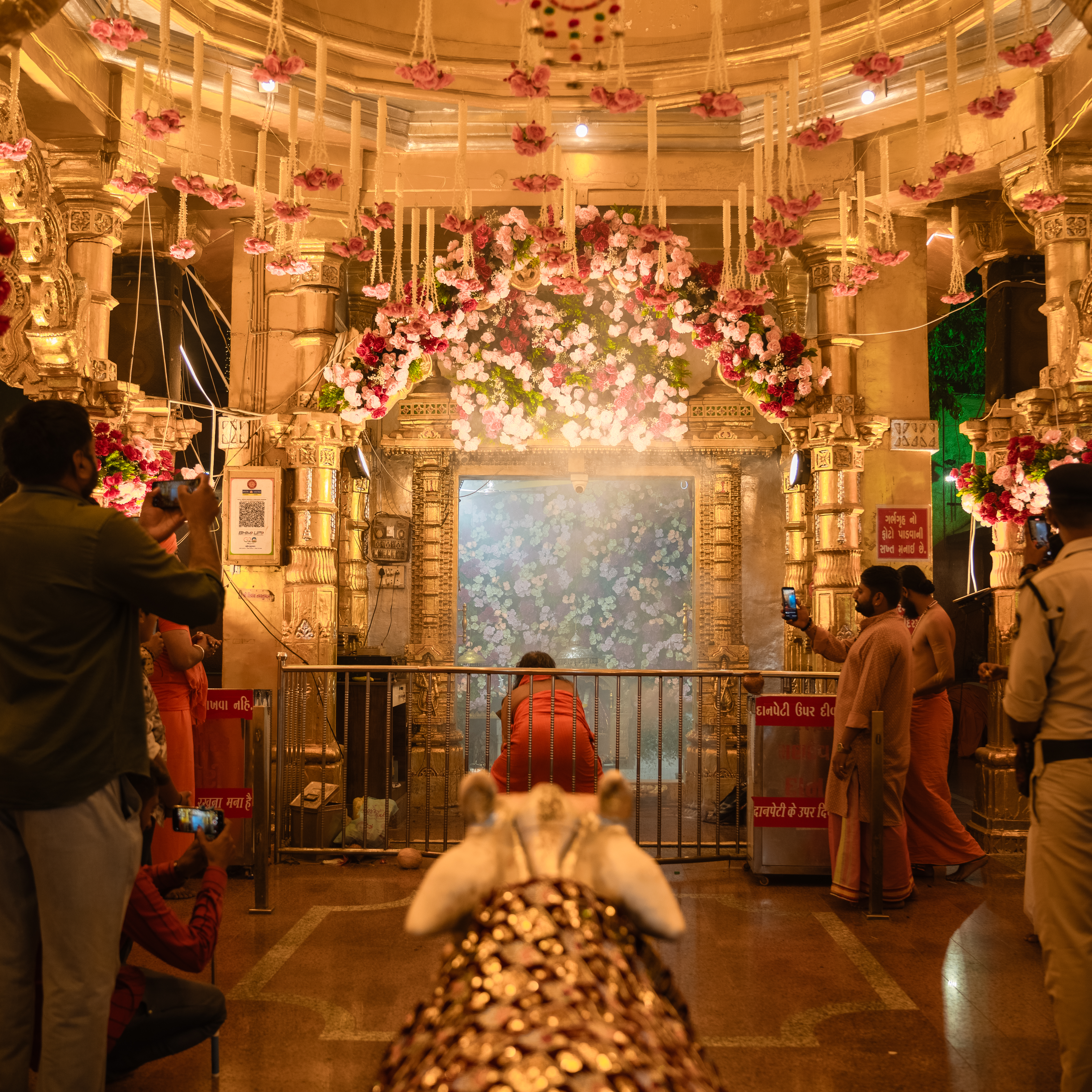
The Maha Shivratri Mela is celebrated during Maha Shivratri to mark the night dedicated to the worship of Lord Shiva, symbolising spiritual awakening, renunciation, and inner transformation. A unique feature of the fair is the gathering of Naga Sadhus, who represent extreme asceticism and detachment from worldly life. Their ritual bath at Mrigi Kund and participation in midnight worship are believed to purify both the place and the devotees, reinforcing the belief that divine energy is at its highest during this period.
History
The origins of the Maha Shivratri Mela are closely tied to the ancient Bhavnath Mahadev Temple, a revered Shaivite shrine situated at the foothills of Girnar Mountain. According to local legends and Puranic beliefs, the temple houses a swayambhu (self-manifested) Shiva Linga, worshipped for centuries. Saints, yogis, and ascetics have traditionally gathered here during Maha Shivratri to meditate and perform penance, believing this sacred geography enhances spiritual growth. Over time, this annual spiritual congregation gradually evolved into a large religious fair, created not for entertainment but to collectively honour Lord Shiva, preserve ascetic traditions, and pass on spiritual values to future generations.
Nearby Destinations
Pilgrims and visitors often extend their journey to nearby sacred sites such as Girnar Hills, known for its temples and pilgrimage routes, and Damodar Kund, an important ritual water body. The historic city of Junagadh also offers forts, heritage monuments, and museums, enriching the cultural experience of the visit.
Who Comes
The Maha Shivratri Mela attracts devotees of Lord Shiva, Naga Sadhus from different akhadas, spiritual seekers, and pilgrims from across India. Alongside them, tourists, researchers, and culture enthusiasts visit to witness ancient rituals that explain why such fairs are celebrated—to strengthen faith, preserve centuries-old spiritual traditions, and create a shared space where devotion, discipline, and cultural continuity come together.
Rann Utsav
Rann Utsav
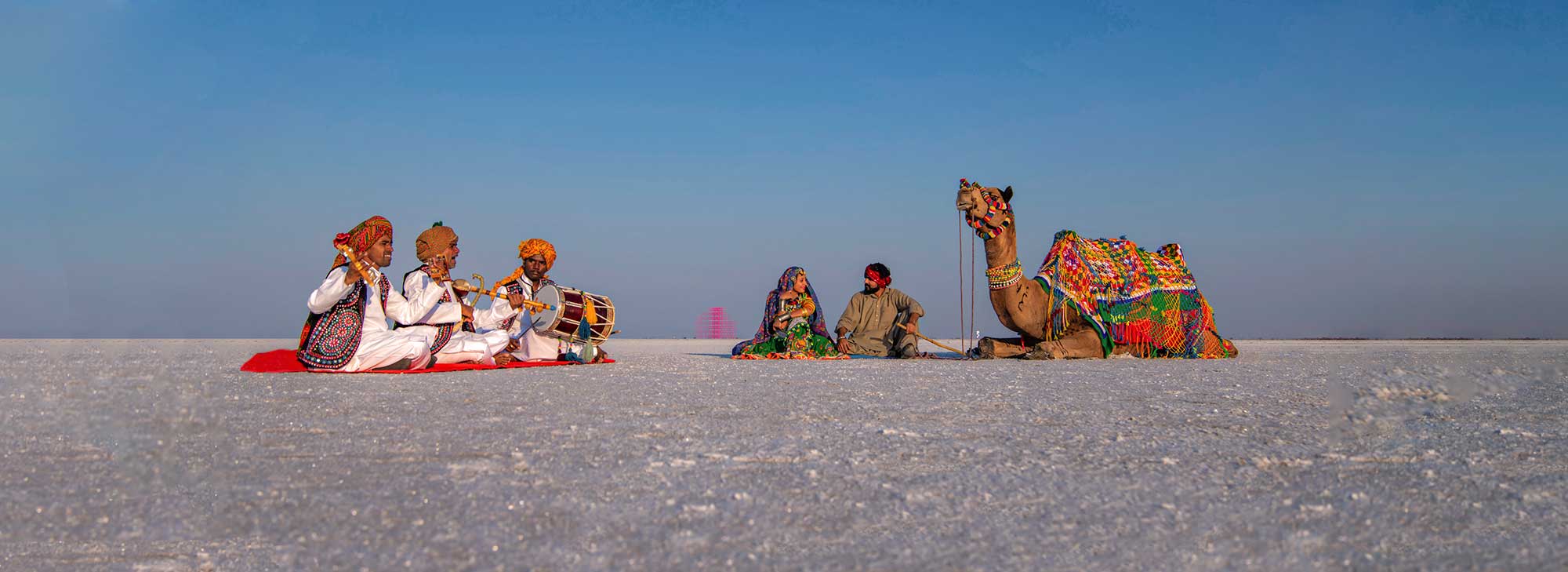
The tourism authorities of Gujarat organize events in Kutch to showcase the rich culture of this district, one of the largest in India. This Utsav under the tutelage of Vibrant Gujarat has been a unique opportunity for people around the world to visit Kutch and experience the true flavor of the region.
- Dhordo
- 23rd November 2025 to 20th February 2026 (on Every Year)
